The SAF feasibility studies and business implementation studies aim to support the future development of SAF eligible under CORSIA and provide guidance to States through a report with exhaustive information and recommendations to enable launching or boosting the uptake of SAF at national level. This is aligned with the objectives of the ICAO Global Framework for SAF, LCAF and other Aviation Cleaner Energies, which seeks to promote the increase of SAF production worldwide.
While the studies will be conducted by experts engaged by ICAO, the participant State will play a fundamental role in collecting the necessary data to undertake such studies. An initial set of data to be collected and provided by the State is identified in the table below. The early identification of the basic data needed for the studies will cater more time for the State to begin engaging and coordinating across various prospective stakeholders. The table below also identify some of these stakeholders. However, this does not preclude additional data requests, and the engagement of additional stakeholders as further identifies byt the ICAO experts during the study
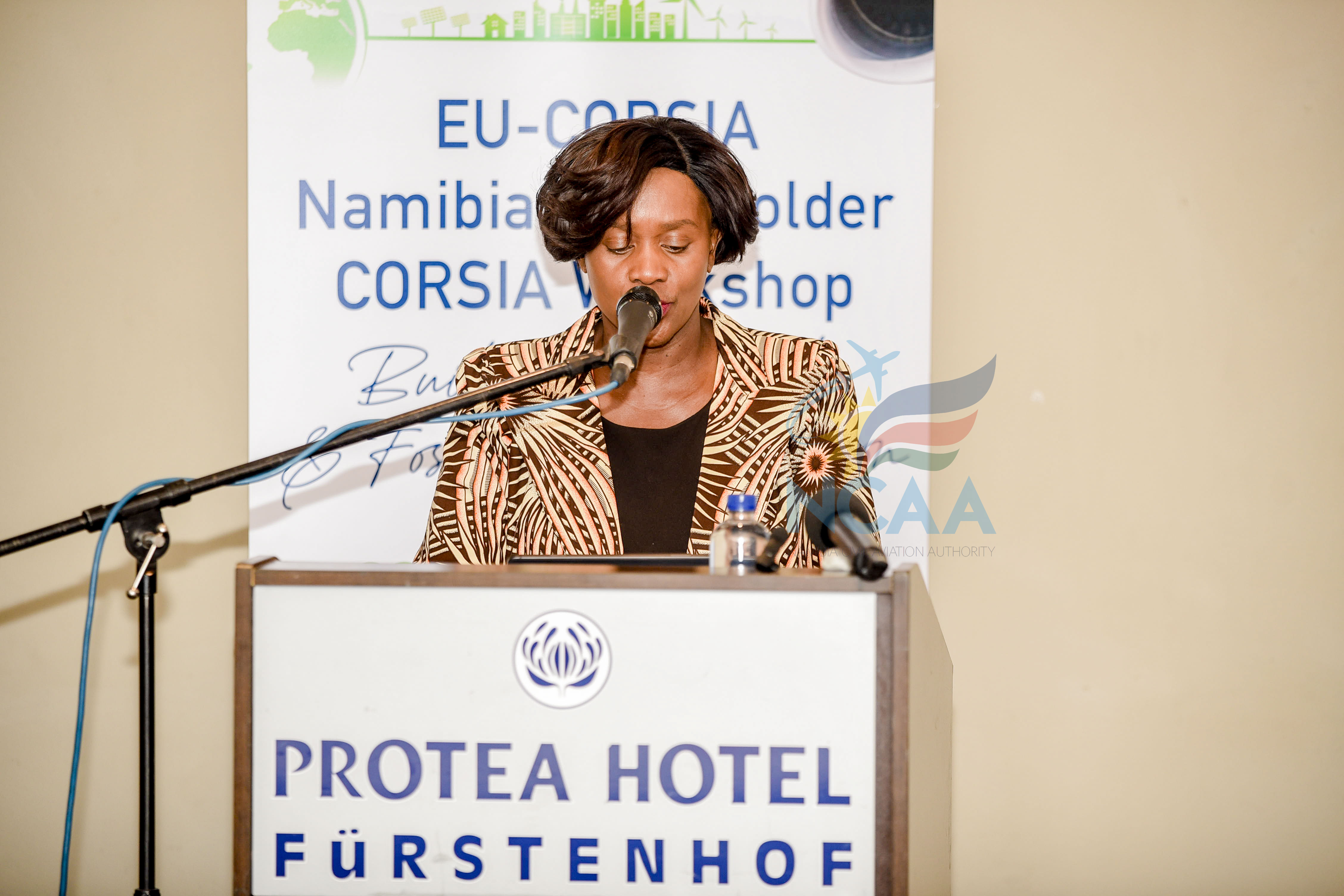
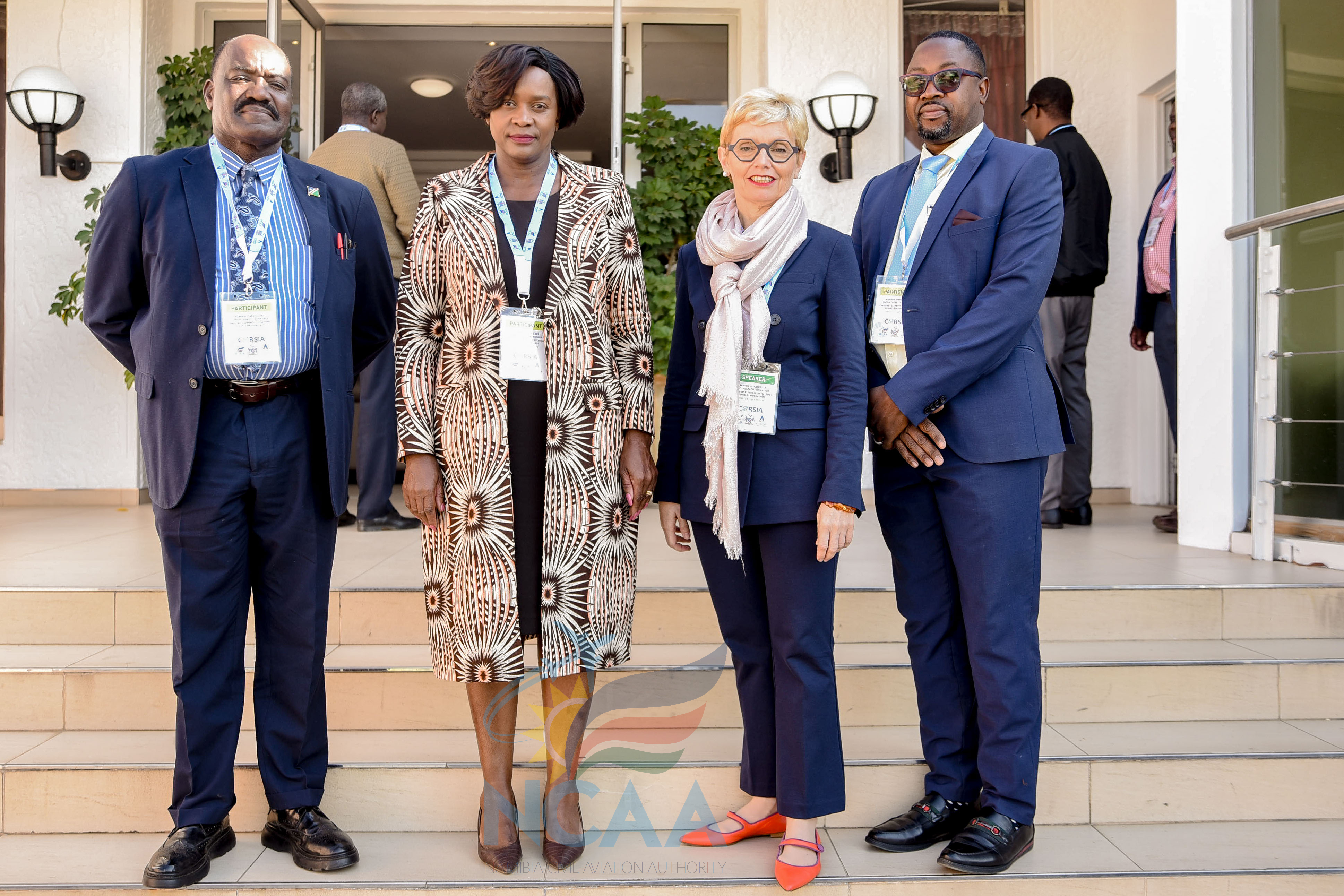
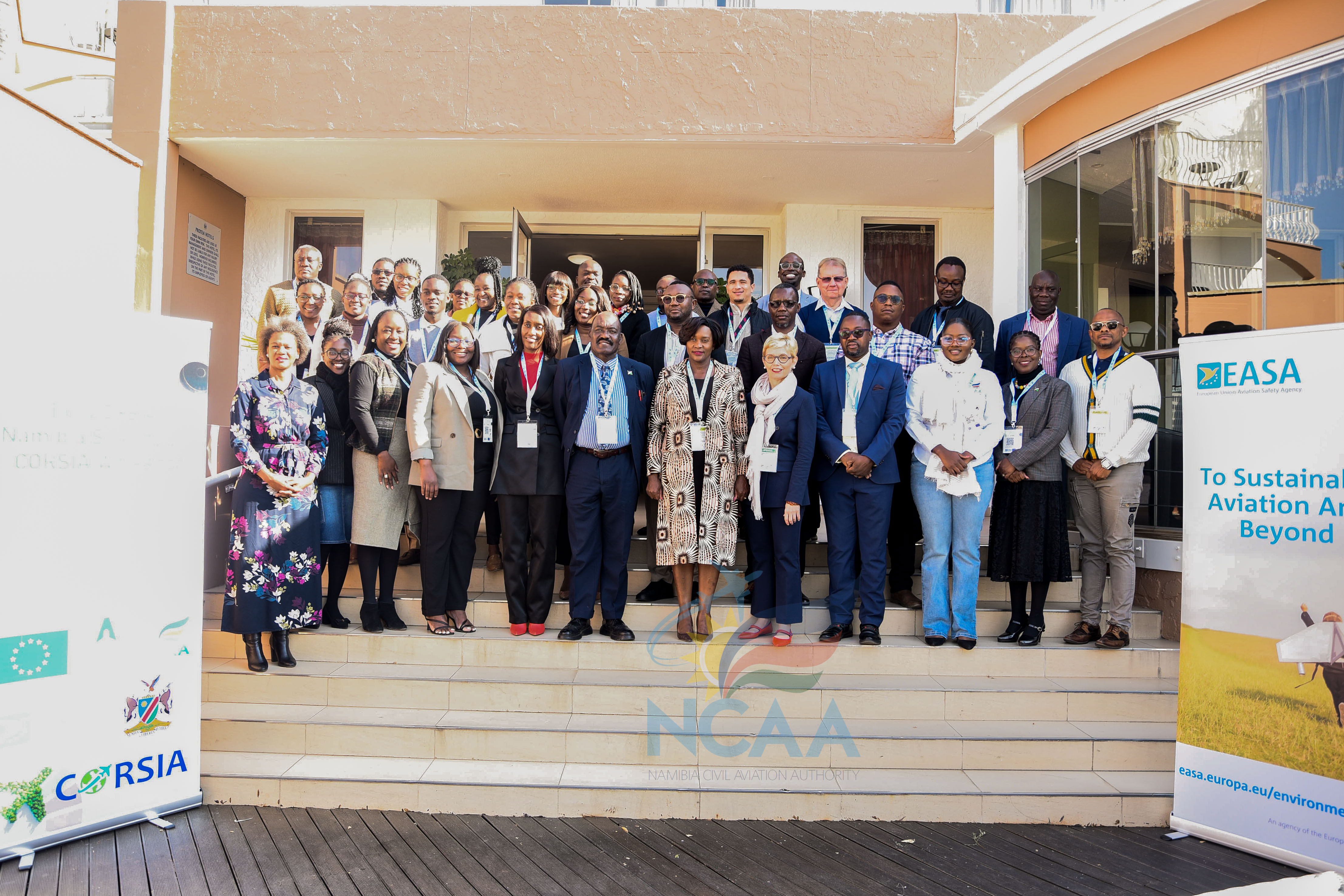
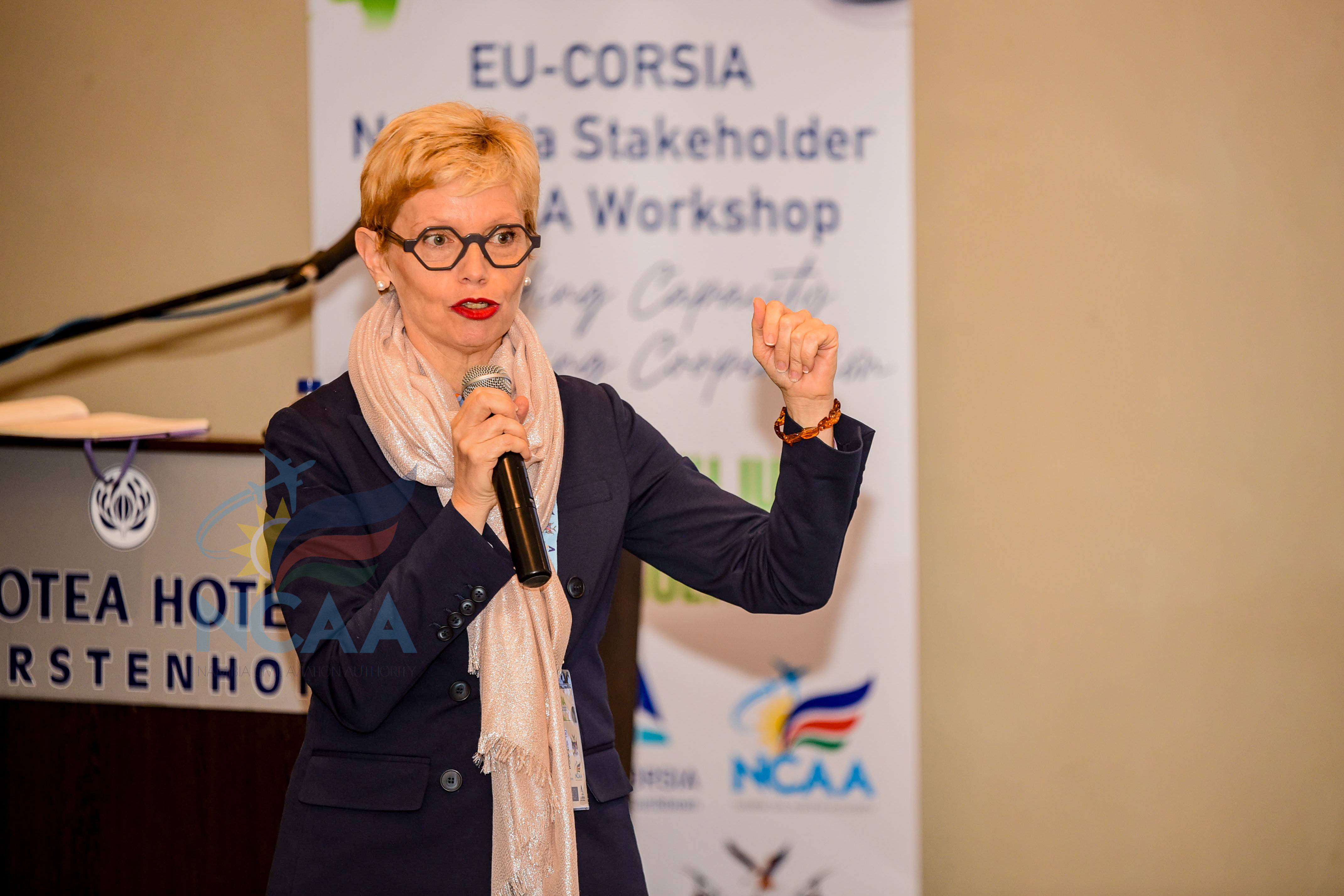
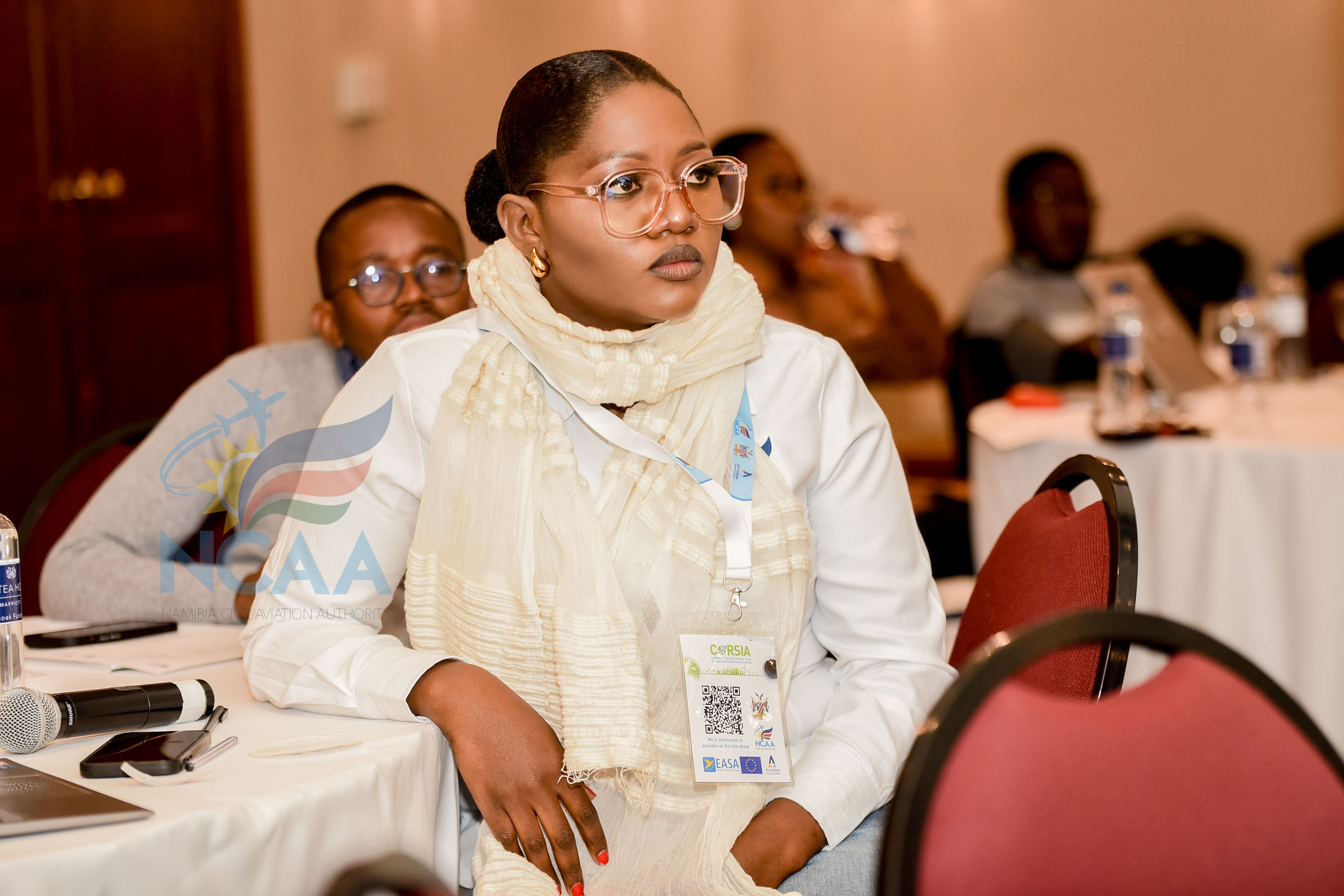
Feasibility and BI Studies hereThe session forms part of the EU-funded capacity-building programme aimed at supporting African and Caribbean States in implementing ICAO’s environmental protection standards, particularly the State Action Plan (SAP), Carbon Offsetting and Reduction Scheme for International Aviation (CORSIA) and Sustainable Aviation Fuel (SAF) aimed at assisting ICAO in reaching its Aspirational Goal of Carbon Neutrality from 2020 and Net Zero by 2050.
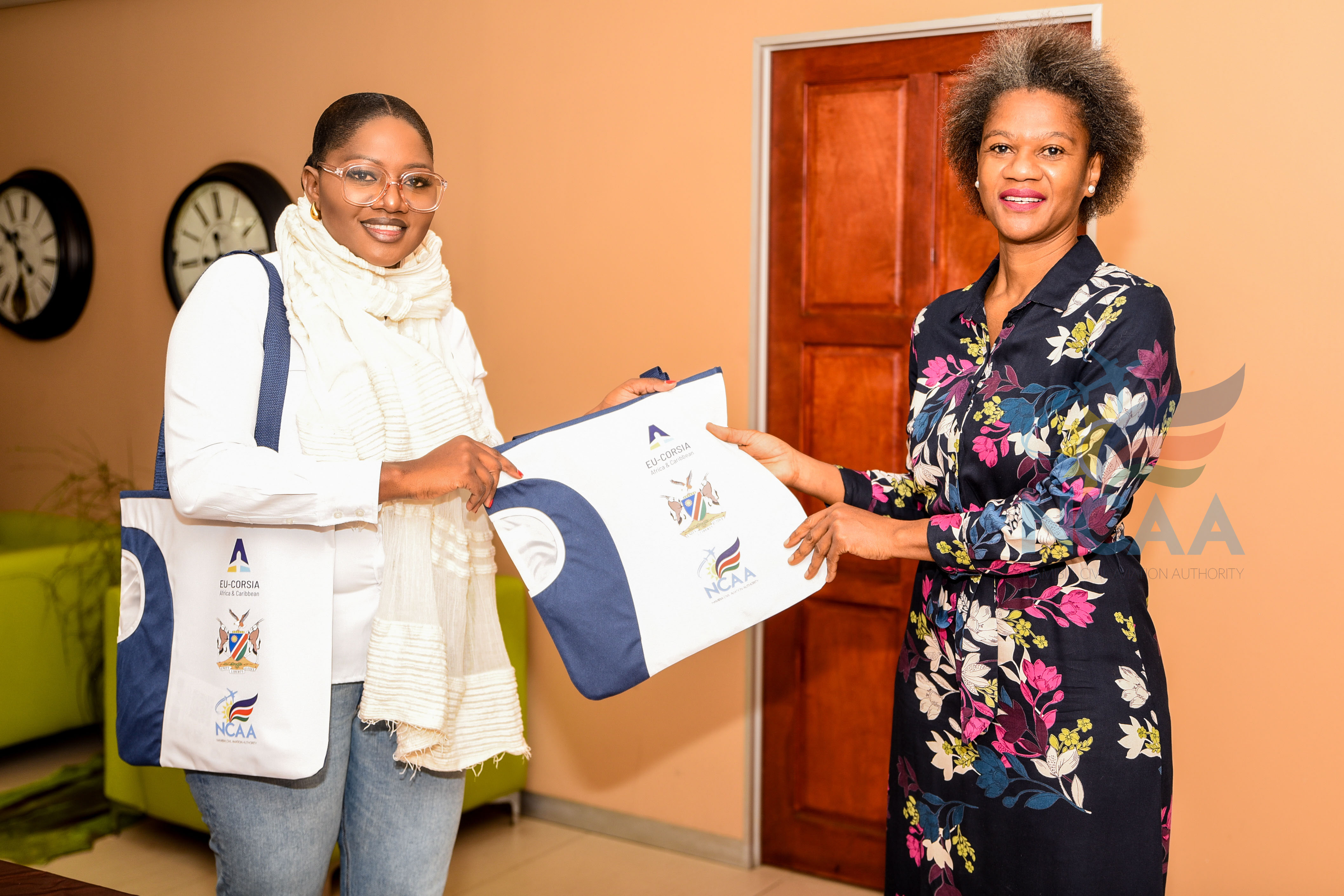
The EU CORSIA Africa and Caribbean project is an EU funded project assisting states from the Africa and Caribbean region in understanding, establishing and implementing environmental protection requirements, namely on State Action Plan (SAP), CORSIA and Sustainable Aviation Fuel to be used by each SAP/CORSIA/SAF affected stakeholders of which Namibia is on the project beneficiary states.