


-
Safety & Security
Safety and Security Effective Implementation Rate, and Facilitation
-
Air Navigation Services
Provide air navigational services to all airspace users.
-
Customer Centricity
Service Excellence & Promotion of Sustainable Aviation
-
Culture Change
Performance Management & Change Management
Namibia Civil Aviation Authority (NCAA)
The Namibia Civil Aviation Authority (NCAA) conducts the safety and security regulation of
civil air operations in Namibia’s airspace, as well as provides air navigational services to all airspace users.
Visit us at: 4 Rudolph Hertzog Street, Windhoek, Namibia

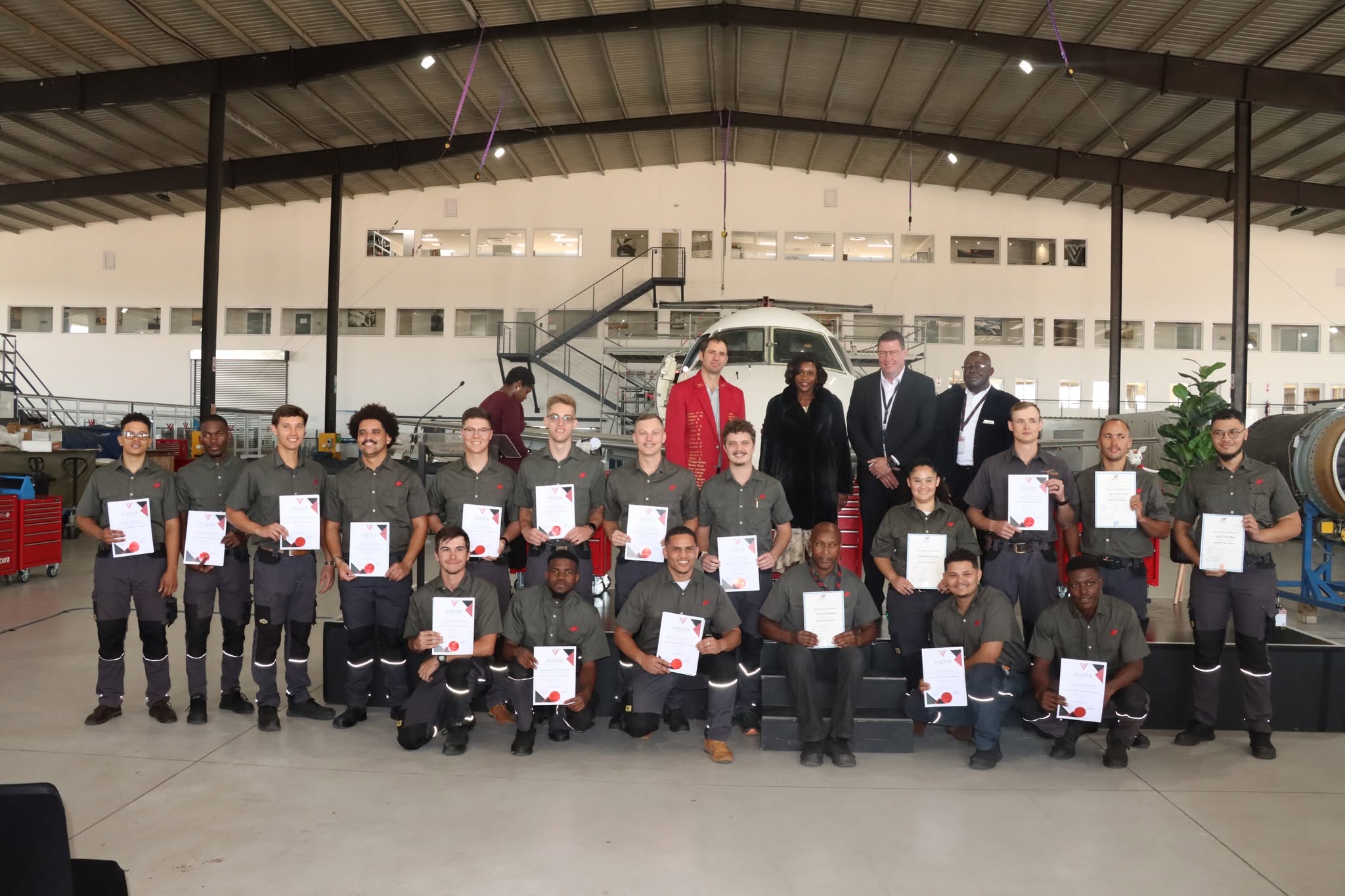


Excellence in Providing
Aviation Safety and Security
Oversight Services
The Namibia Civil Aviation Authority, a State-Owned Enterprise established in terms of the Civil Aviation Act, 2016, serves as the bedrock of Namibia's aviation ecosystem, enforcing rigorous safety standards and providing air navigation services to ensure a secure, safey, resilient, and economically sound civil aviation system. Our Priorities are: (Click on the tab to read more)
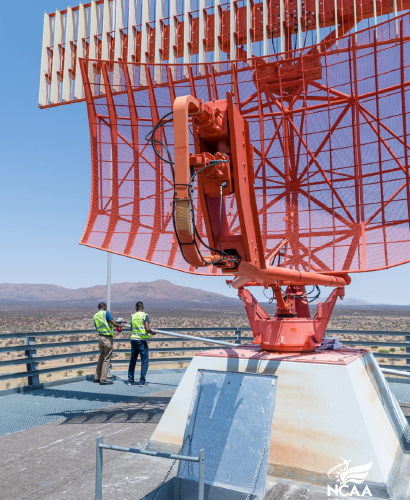
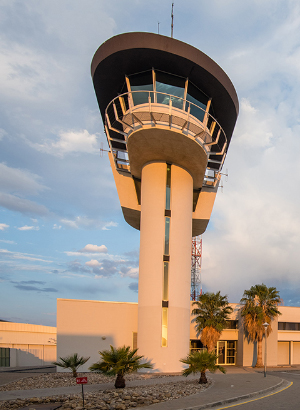
The Air Navigation Services Department remains a vital arm of the NCAA, ensuring the safe, efficient, and coordinated management of Namibian airspace.
As the sole provider of Aeronautical Information Management (AIM), Communication, Navigation and Surveillance (CNS), Air Traffic Management (ATM), and Search and Rescue (SAR).
- Air Traffic Services (ATS)
- Communication, Navigation & Surveillance (CNS)
- Aeronautical Information Management (AIM)
- Safety and Quality Assurance (SQA)
2 747+
International Air Traffic Movements
Safety and Security Department
The Namibia Civil Aviation Authority (NCAA) manages aviation safety and security primarily through its Safety & Security Promotion & Quality (SSPQ) division. This Department handles state oversight, Aviation Security (AVSEC), and regulatory compliance across the Namibian aviation sector.
Key safety and security units operating under the Safety and Security Department include:
- Safety & Security Promotion & Quality (SSPQ)
- Air Navigation Services Safety Oversight (ANSSO)
- Compliance & Regulatory Risk (CRR)
- Operational Units; which Includes Flight Operations, Airworthiness, and Aerodromes and Ground Aids (AGA)


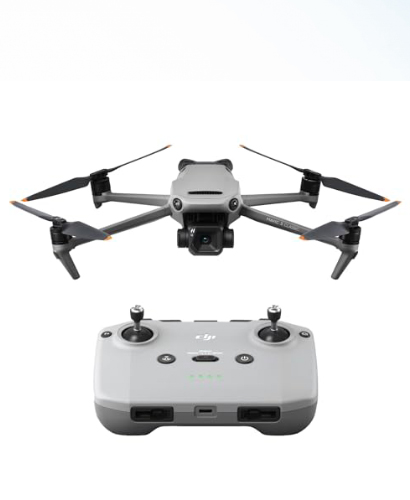
Remotely Piloted Aircraft Systems (RPAS or 'drones')
All drones (recreational or commercial) in Namibia must be registered with the Namibia Civil Aviation Authority (NCAA) under Part 101 regulations. Foreigners must submit applications for drone authorization at least 60 days before arrival. All flights require prior written approval, and flying in National Parks is strictly prohibited.
- Flight Operations Forms
- Remote Piloting (RPAS) Forms
- Keyhole Markup Language (KML) file
The Personnel Licensing (PEL) Division is a vital cornerstone of Namibia’s civil aviation framework.
The primary mandate of the Personnel Licensing department is to ensure that Namibian aviation license holders are adequately trained, licensed and oversighted as prescribed in Namibia Civil Aviation Act (Act No. 6 of 2016) and subsequent Namibia Civil Aviation Regulations (Part 60-67 and 141). The division oversees functions that span licensing, examinations, regulatory compliance, surveillance, and the certification of aviation training organisations and examiners.
- Designated Flight Examiners (DFE)
- Designated Aviation Medical Examiners (DAME)
- Designated Cabin Safety Examiners (DCSE)


Safety and Security, Promotion and Quality Division (SSPQ)
SSPQ mandate includes the full implementation of the State Safety Programme (SSP), continuous development of the Quality Management System, and active engagement with industry partners through awareness campaigns and targeted promotion. It focuses on embedding SMS and aviation security principles, with special attention to sectors like General Aviation, where reporting has often been limited.
Learn more Learn more
N
C
A
A
B
o
a
r
d
M
e
m
b
e
r
N
C
A
A
B
o
a
r
d
M
e
m
b
e
r
The Board has been constituted in accordance with the provisions under section 12 of the Act.
The new Namibia Civil Aviation Authority Board of Directors
were appointed on the 01 June 2026

Ms. Loide Shaparara
Board Chairperson

Ms. Martha Hitenanye
Deputy Chairperson

Dr. John Shimameni
Member

Mr. Edson Isaaks
Member

Mr. Onesmus L. Kaukungwa
Member

Mr. Edward Kafita
Member

Mr. Sam Nekaro
Member

Ms. Toska Sem
Executive Director